About Carpinteria State Beach
Carpinteria State Beach is a California State Parks beach in the town of Carpinteria, 12 miles south of Santa Barbara. State Parks describes about a mile of beach with terraced bluffs, dunes, tide pools and camping. The park has been open to the public since 1932 and covers about 60 acres.
The Park at a Glance
What the Park Is
California State Parks calls Carpinteria an iconic, diverse shoreline of white sand and rock outcroppings, set in a small Southern California coastal town within minutes of Santa Barbara and Ventura. Its main uses are swimming, surf fishing, tide pool exploring and camping.
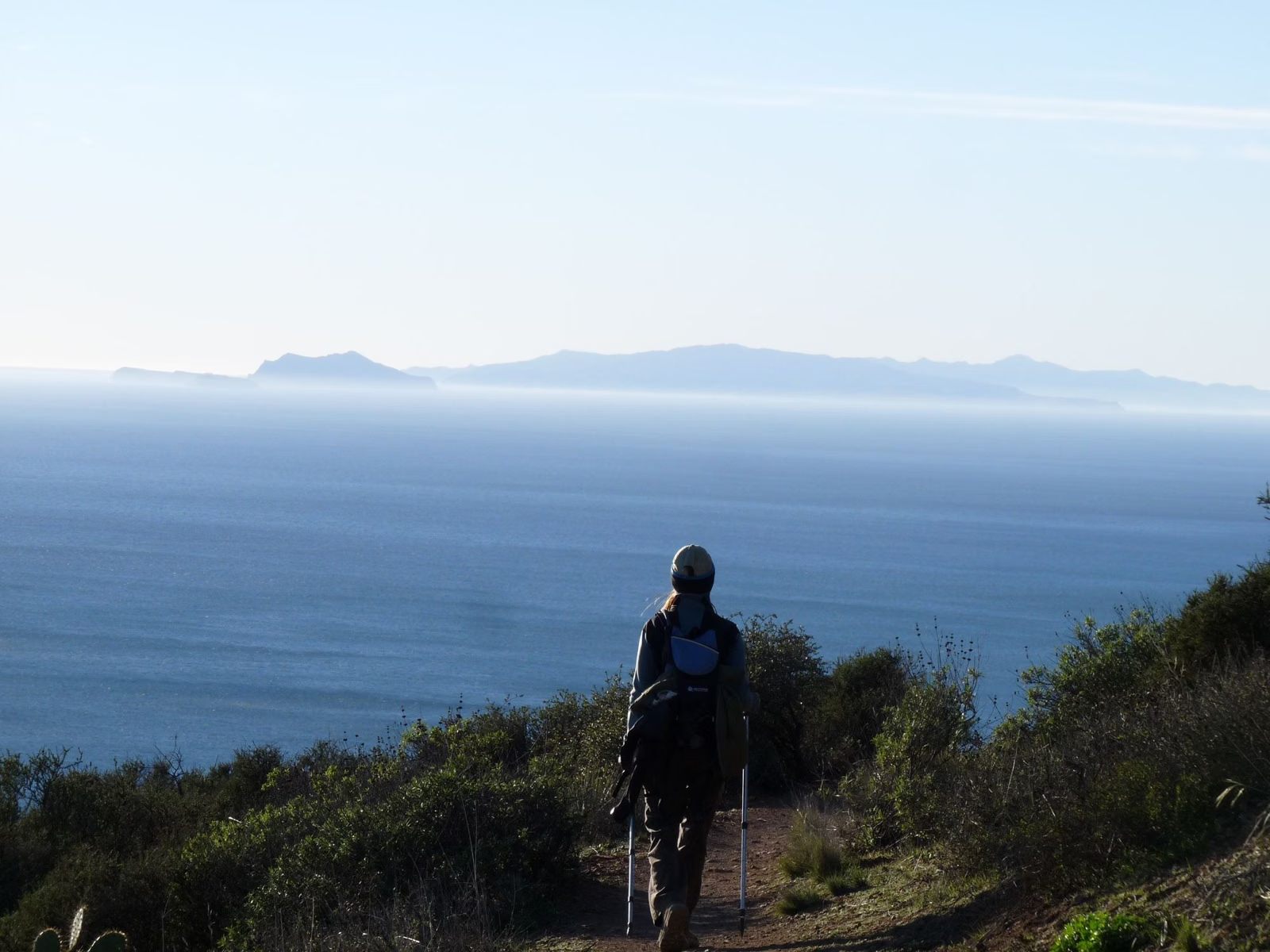
The park's 2009 Interpretation Master Plan puts its size at 60.08 acres, including 4,685 feet of ocean frontage. The park has four campground loops named after the Channel Islands you can see offshore. A day-use area with picnic sites, a visitor center, a campfire center and the Tomol Interpretive Play Area fill out the rest.
How It Got Its Name
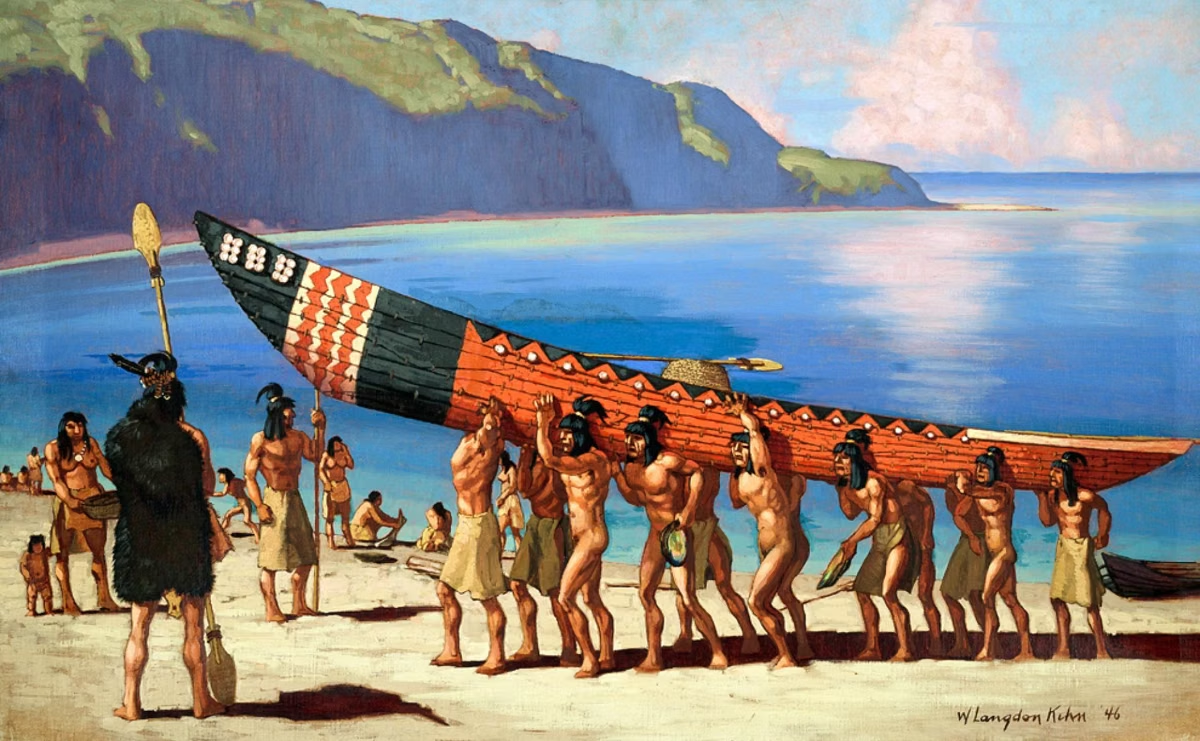
State Parks traces the name to 1769, when the Spanish explorer Gaspar de Portolá traveled the Santa Barbara coast and met the Chumash people at the village of Mishopshnow, near today's Carpinteria Creek. His men watched the Chumash building plank canoes called tomols, sealed with the asphaltum (natural tar) that seeps from the ground here. The Spanish called the place La Carpinteria, "the carpenter shop."
The same tar still seeps from the bluffs. See tar seeps and tar pits.
A Short History of the Park
The master plan records the main steps:
- 1932: On February 18, 1932, the State and Santa Barbara County bought 21.20 acres east of Carpinteria Creek, including the Cerca del Mar clubhouse and pier, for $106,010, split between them under the State Park Bond Act. The park opened that year.
- 1948: The State bought another 16.88 acres east of the original purchase.
- 1959: About eight acres of beach frontage and the 42 acres between Linden Avenue and Carpinteria Creek were added as the campgrounds filled every summer.
- 1962: In June 1962 the State Park Commission classified the unit as a state beach.
- 2000: The State bought about two acres of surplus railroad land between Linden and Palm Avenues, later used for the play area, a bioswale and a footpath.
The "World's Safest Beach"
The master plan says Carpinteria has been called the "World's Safest Beach" since at least the early 1920s, when local boosters used an auto camp here to promote it. It explains why the water is calm in summer: a natural reef just offshore, and the Channel Islands, which take energy out of the main northwesterly swells. That makes the beach good for swimming in the summer months. It is a nickname, not a promise; see the beach and swimming for lifeguard season.
What Is Next Door
Several nearby places belong to other owners. The harbor seal rookery and the Carpinteria Bluffs Nature Preserve are City of Carpinteria land, and the Carpinteria Salt Marsh includes a City nature park and a University of California reserve, restored with the Land Trust for Santa Barbara County. Rincon Beach Park belongs to Santa Barbara County, although State Parks runs a parking lot and trail to Rincon Point. See nearby parks, harbor seals and Rincon Point.
Busy Year-Round
The park's master plan reports more than half a million visitors from mid-1959 to mid-1960, and close to one million a year by 1987, which it called one of the busiest park units of its size. The campground is open year-round, and the park lists no seasonal closure; book well ahead for summer. See reservations.
About Carpinteria State Beach FAQ
Who runs Carpinteria State Beach?
California State Parks, through its Channel Coast District. The park office phone is (805) 566-2494, and the official page is on parks.ca.gov.
How big is Carpinteria State Beach?
About 60 acres. The park's 2009 Interpretation Master Plan gives 60.08 acres, including 4,685 feet of ocean frontage.
Why is it called Carpinteria?
Spanish soldiers with the 1769 Portolá expedition saw Chumash people building plank canoes here and called the place La Carpinteria, "the carpenter shop."
Is Carpinteria really the world's safest beach?
It is a nickname used since at least the early 1920s. A reef offshore and the Channel Islands calm the summer surf, but lifeguard towers are only staffed traditionally from Memorial Day weekend to Labor Day weekend.